Dark matter searches with XENONnT
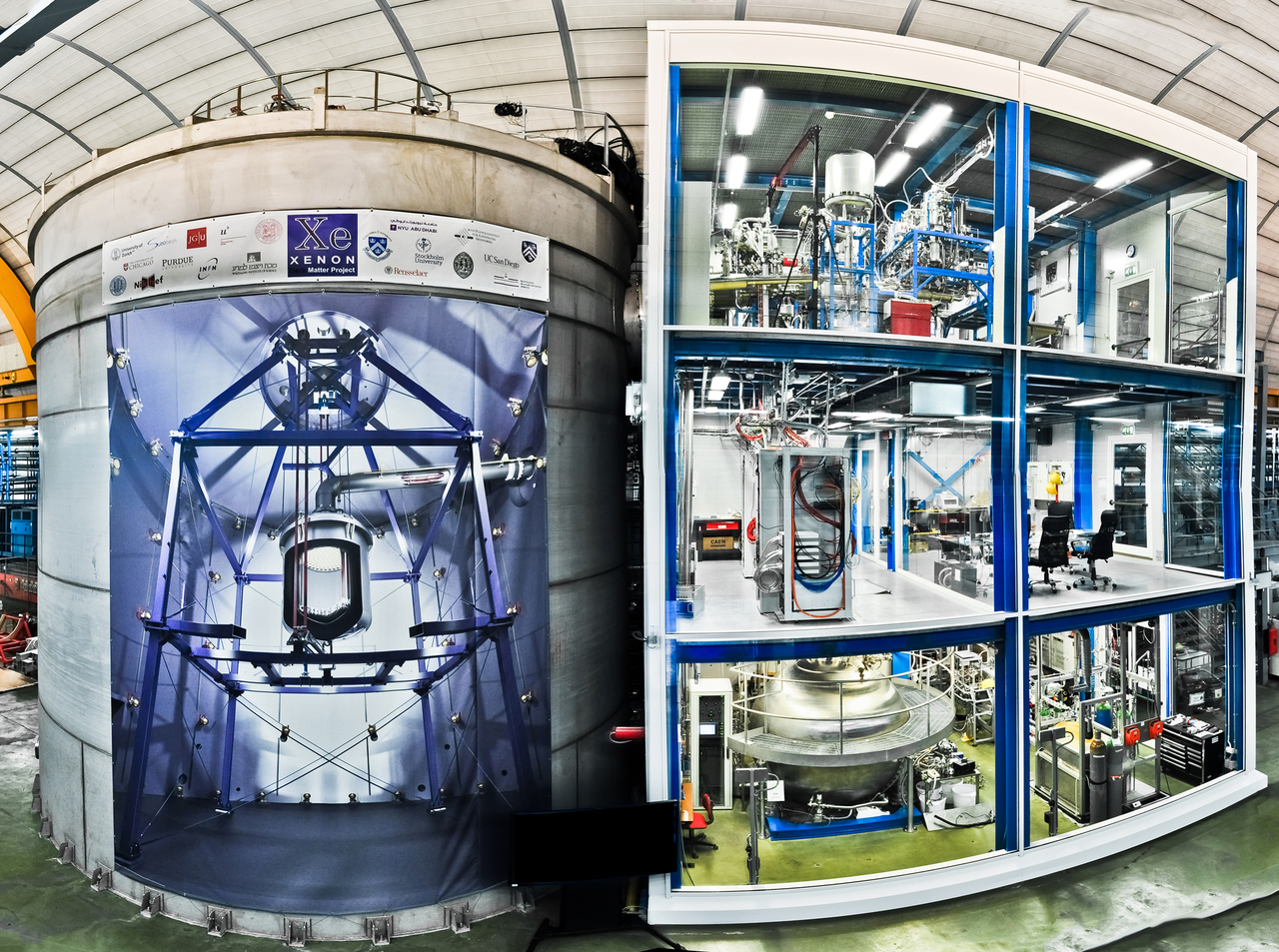
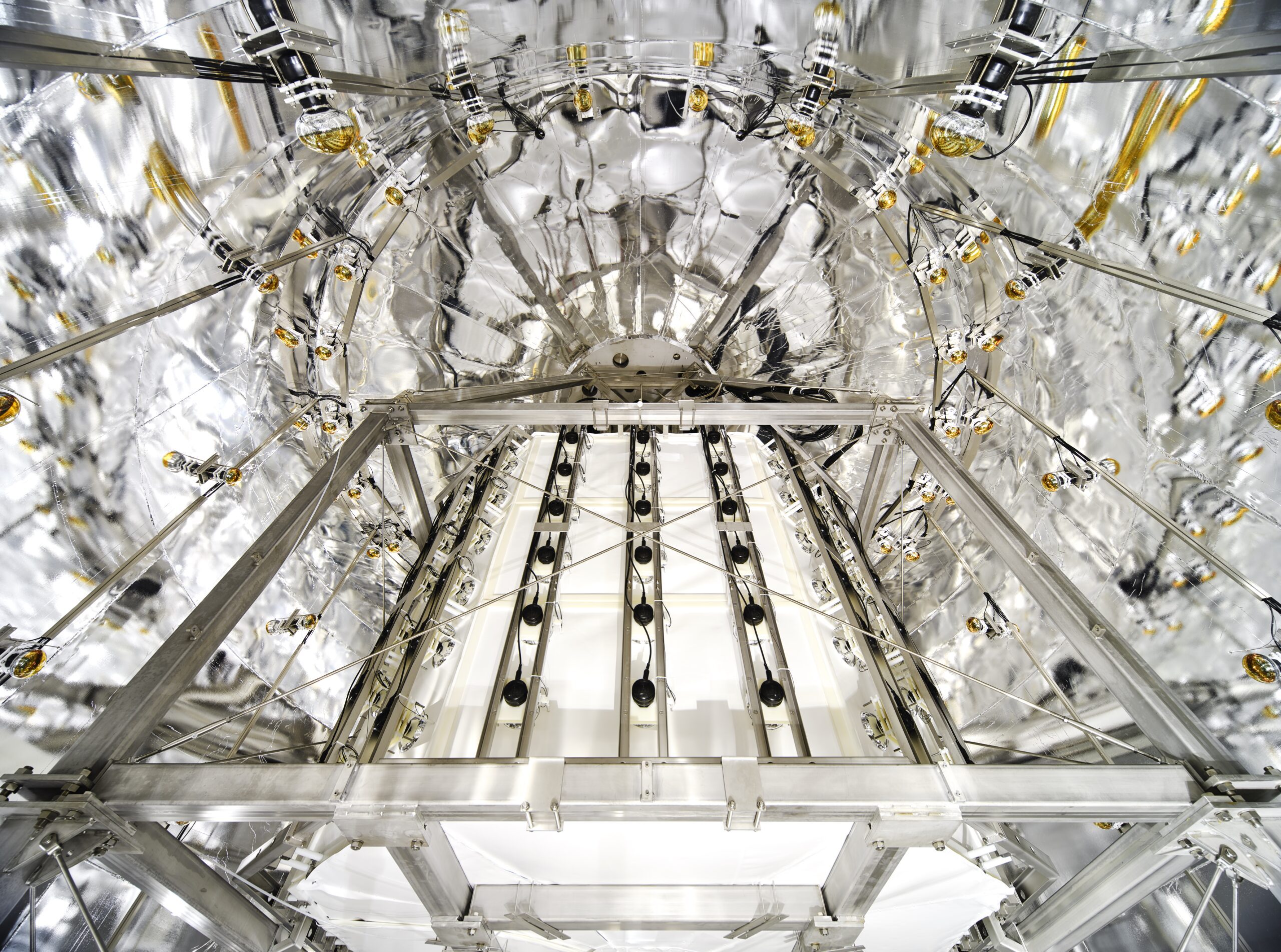
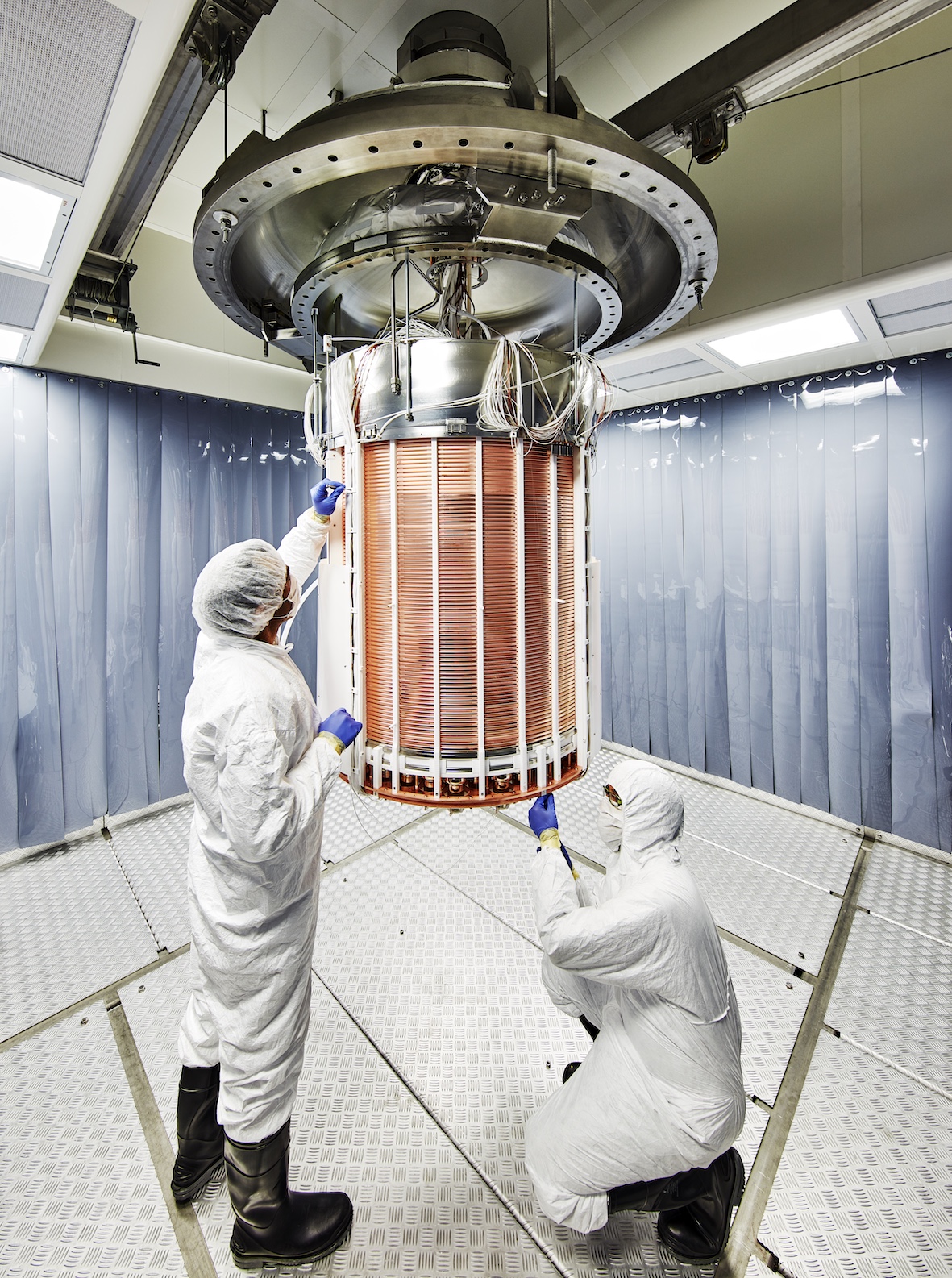
XENONnT is one of the world’s leading liquid xenon dark matter experiments, operating underground at the INFN Laboratori Nazionali del Gran Sasso in Italy. It is located deep underground to suppress cosmic rays, and the detector is surrounded by purified water to shield environmental radiation. By reading out both the vacuum-ultraviolet scintillation light and the ionization electrons produced in liquid xenon, the detector reconstructs the position and energy of each interaction and suppresses radioactive background events while searching for dark matter signals.
By drifting the ionization electrons upward and converting them into light in the gas phase, the detector achieves high sensitivity to low-energy events, three-dimensional position reconstruction, and powerful background discrimination. These features make liquid xenon detectors attractive not only for dark matter searches but also for low-energy neutrino observations and other rare-event studies beyond the Standard Model.
In our laboratory, we use data currently being collected by XENONnT to study radioactive background events and detector-response modeling, and to search for dark matter, neutrinoless double-beta decay, and new opportunities in low-energy neutrino astronomy. Trace impurities such as radon, tritium, and neutrons strongly affect the sensitivity, so we pursue both data analysis and detector R&D in parallel.
Ultra-low-background detector R&D toward XLZD
XLZD is a next-generation ultra-large liquid xenon detector under study for operation in the mid-2030s, with a target mass of roughly 60–80 tonnes of liquid xenon, about an order of magnitude larger than current experiments.
Its physics reach is expected to go beyond improved dark matter sensitivity to include neutrinoless double-beta decay and low-energy neutrino observations, opening a broad program of rare-event physics.
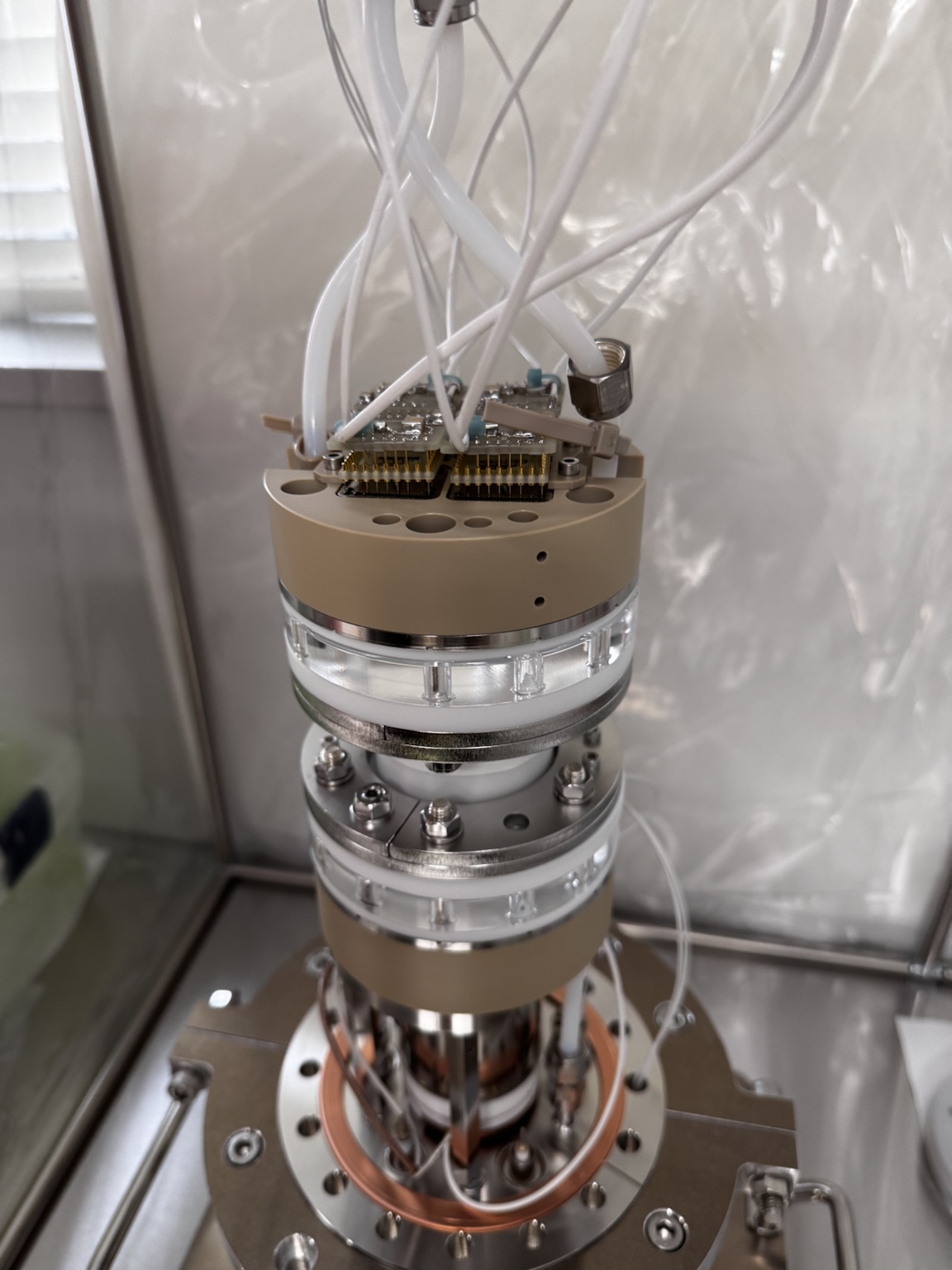
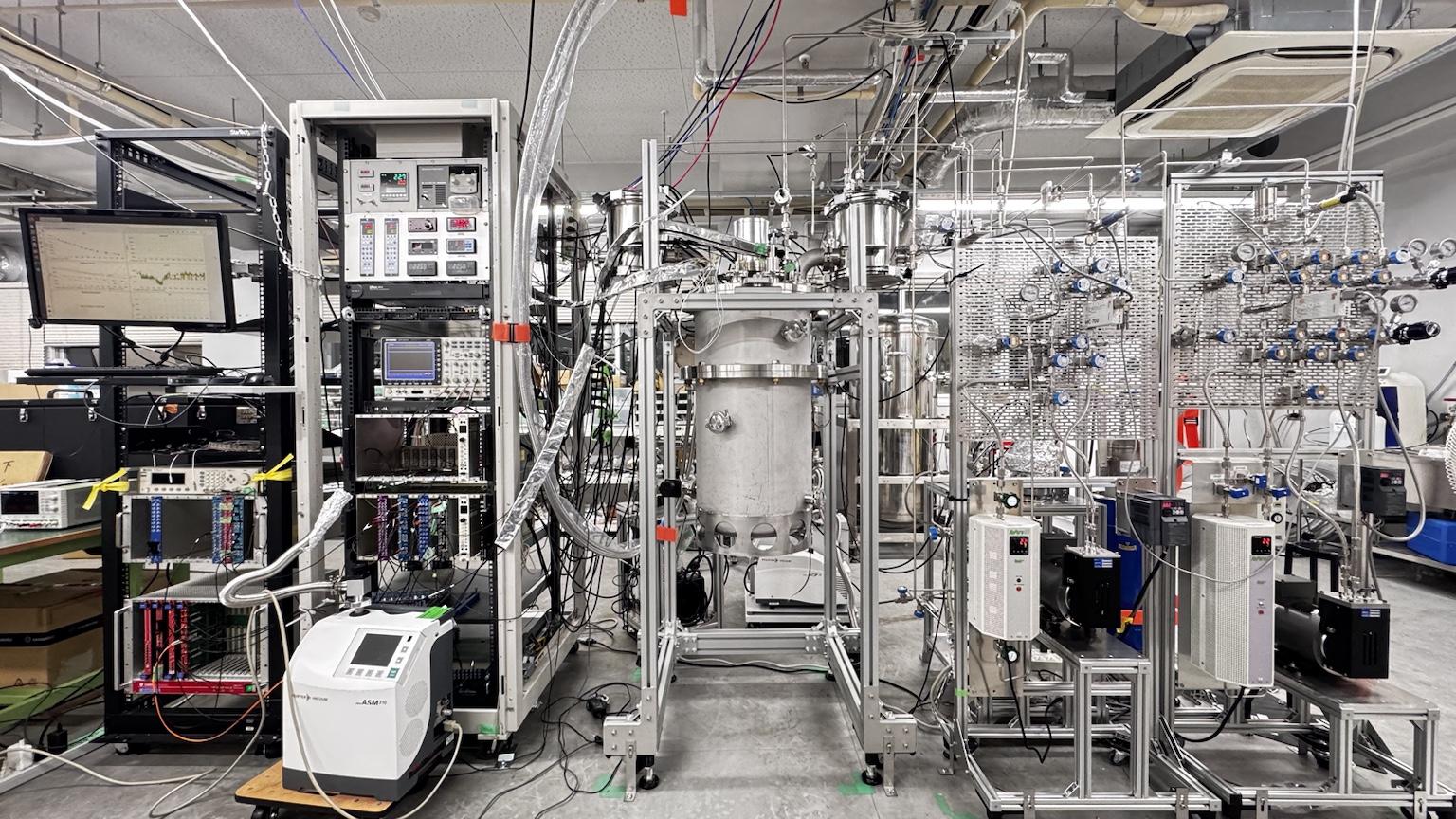
To realize this, it is not enough simply to scale up the detector; we also need an even more stringent ultra-low-background environment. In our laboratory, one major theme is the development of a hermetic liquid xenon detector based on synthetic quartz to suppress contamination from radon and tritium. We have established a dedicated system with cryogenics, vacuum, gas purification, controls, and safety instrumentation, demonstrated radon suppression in gaseous xenon, and are now extending the evaluation to liquid xenon.
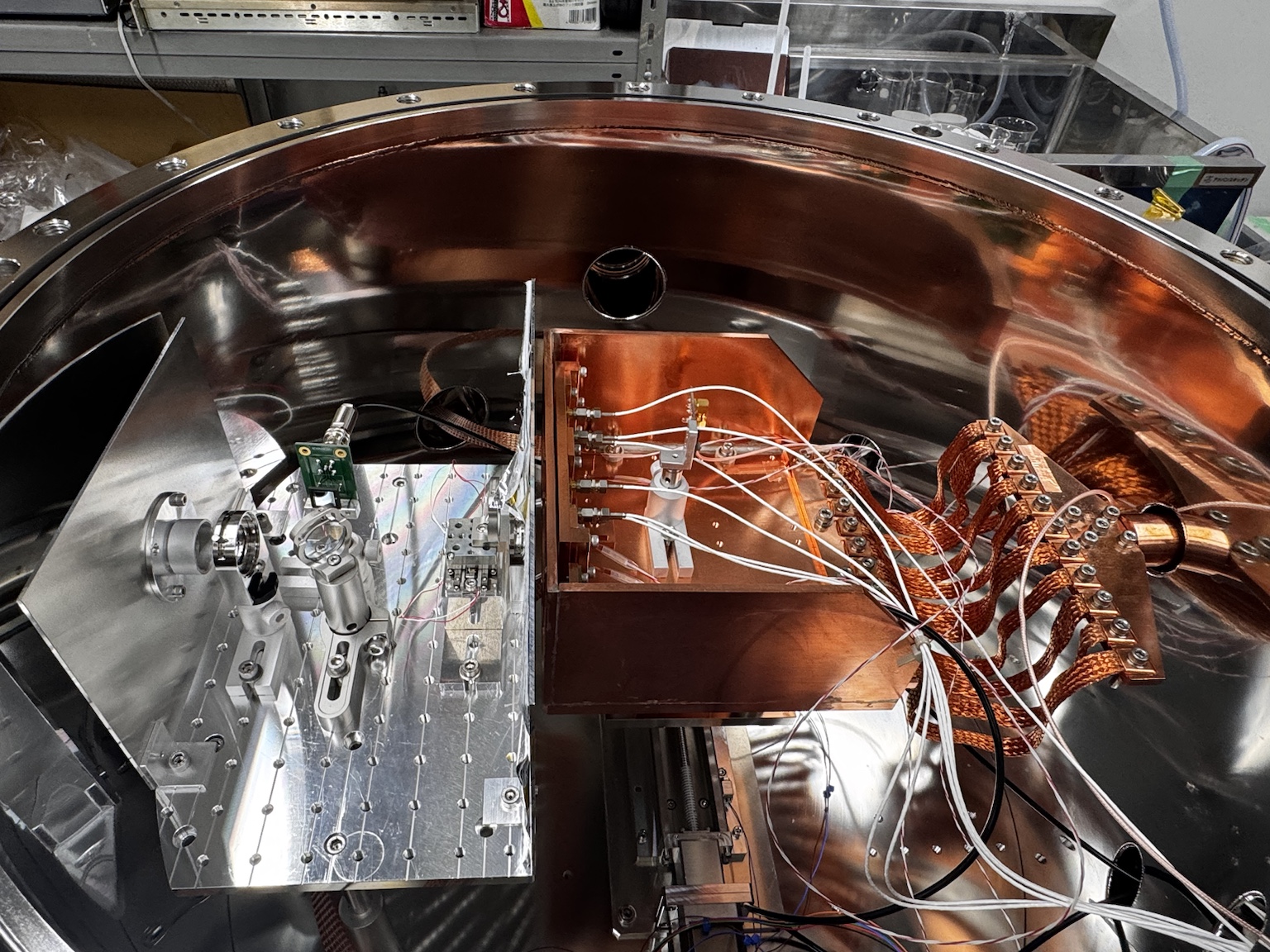
Another major theme is the development of ultra-low-background photosensors. We pursue lower-radioactivity and higher-performance photomultiplier tubes and silicon photosensors, as well as novel hybrid photosensors that combine both approaches. In collaboration with Hamamatsu Photonics, we have also built a dedicated system for measurements in vacuum ultraviolet light, at low temperature, and under vacuum, optimized for the 175 nm xenon scintillation wavelength.
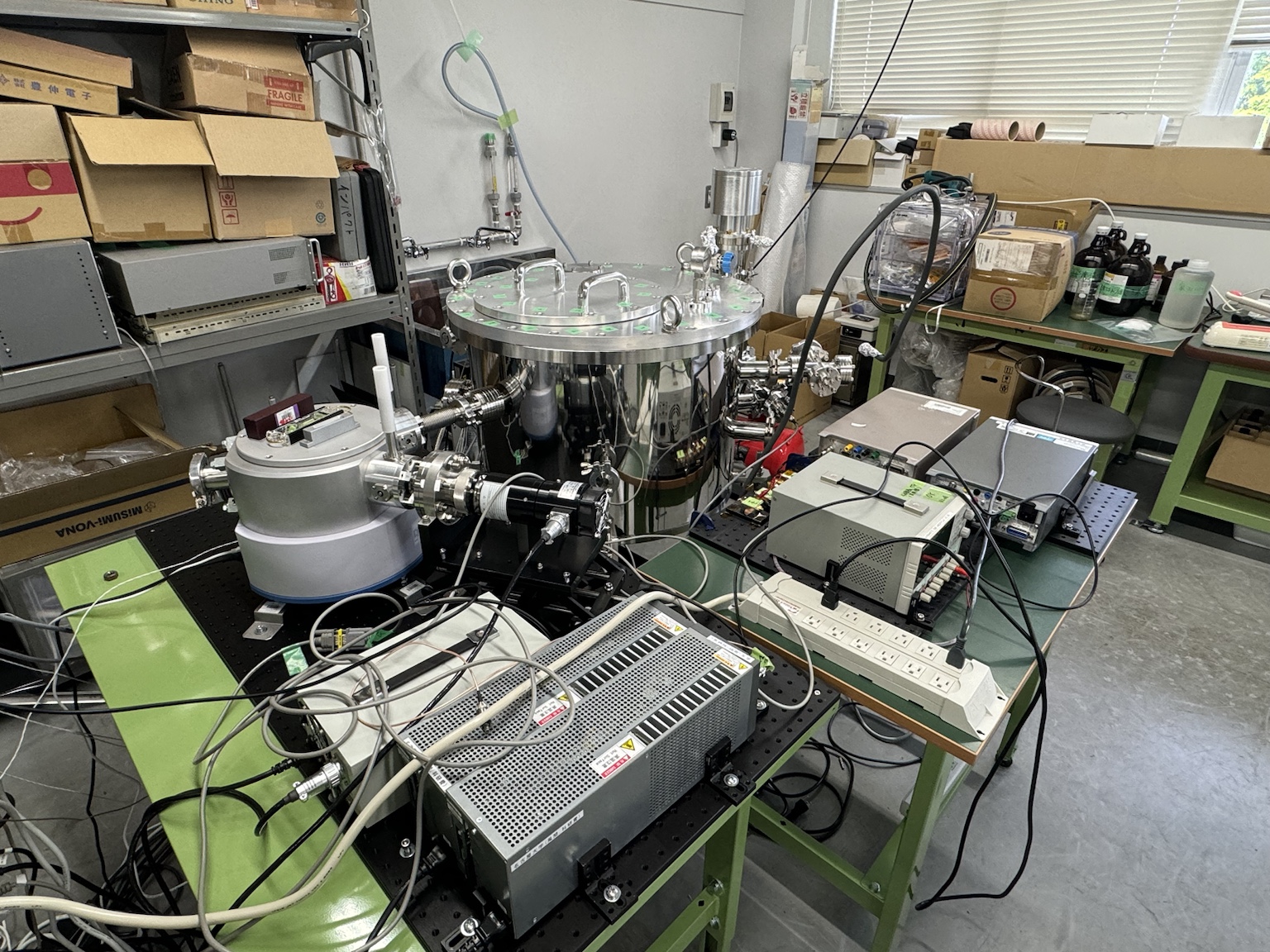
We are also developing methods to quantify extremely small hydrogen concentrations relevant to tritium backgrounds, as well as assays of ultra-trace uranium and thorium in PTFE reflector materials. These studies are important not only for dark matter searches but also for neutrinoless double-beta decay and future low-energy neutrino astronomy.